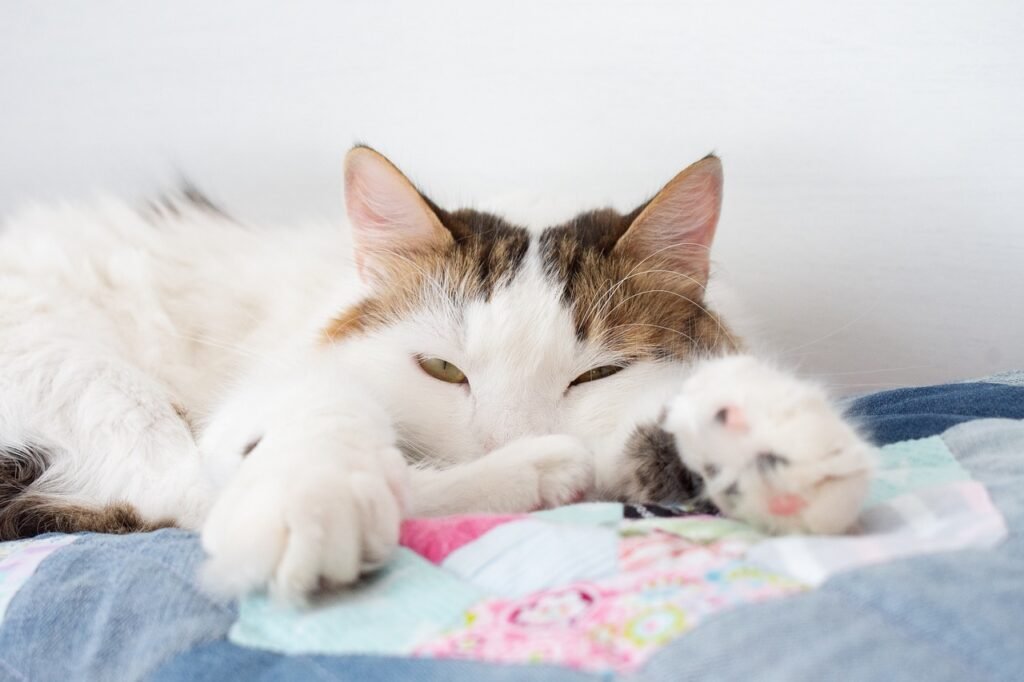

If you’ve ever wondered why your cat seems to sleep through most of the day, you’re not alone. Many cat owners are surprised to learn just how many hours cats spend resting – and whether it’s something to be concerned about.
The short answer? Sleeping is a natural and essential part of a cat’s biology.
But the longer answer reveals fascinating insights into feline instincts, energy cycles, and emotional well-being.
Let’s break down why cats sleep so much, what’s considered normal, and when changes in sleep patterns might signal a problem.
How Much Do Cats Actually Sleep?
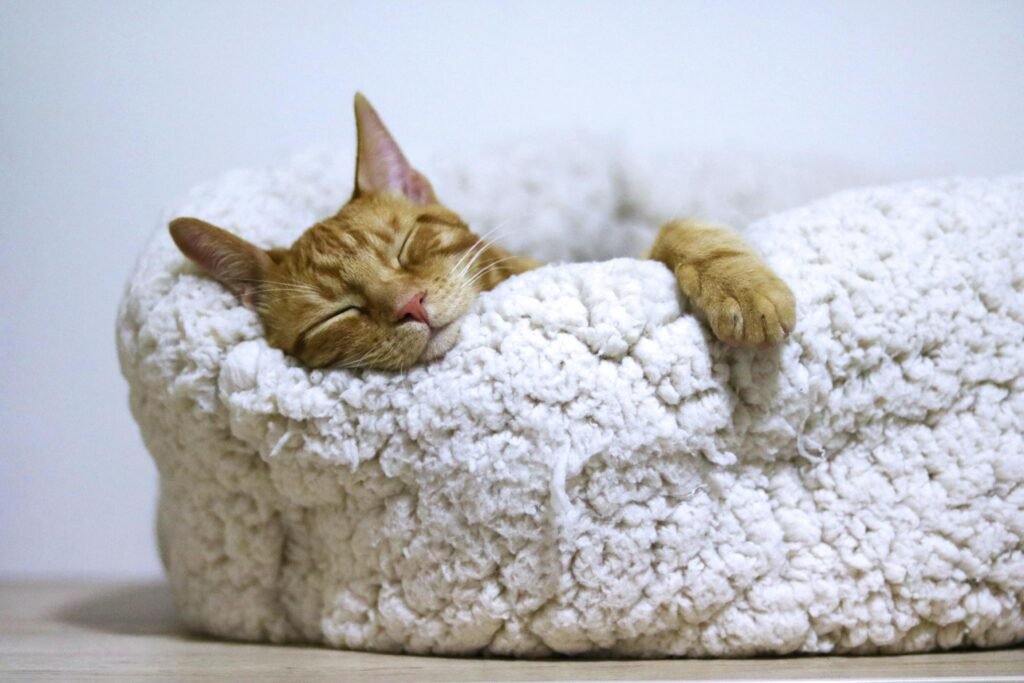
On average, adult cats sleep 12 to 16 hours per day, and some may even reach 18–20 hours, especially kittens and senior cats.
This isn’t laziness – it’s evolution.
Cats are natural predators. In the wild, they conserve energy for short bursts of intense activity like hunting. Even indoor cats retain this instinct, which explains why your cat might nap all afternoon and suddenly become energetic in the evening.
Typical sleep needs by age:
Senior cats: often more sleep due to slower metabolism and joint comfort
Kittens: up to 20 hours a day (essential for growth and brain development)
Adult cats: 12–16 hours
Not All Sleep Is the Same
One thing many people don’t realize is that cats don’t sleep deeply all day long. Much of their “sleep” is actually a light doze.
If your cat seems asleep but:
- ears twitch,
- eyes half-open,
- tail moves slightly,
that’s normal. This light sleep allows cats to stay alert while resting – a leftover survival skill from the wild.
Deep, full relaxation usually happens in short periods, often when your cat feels completely safe.
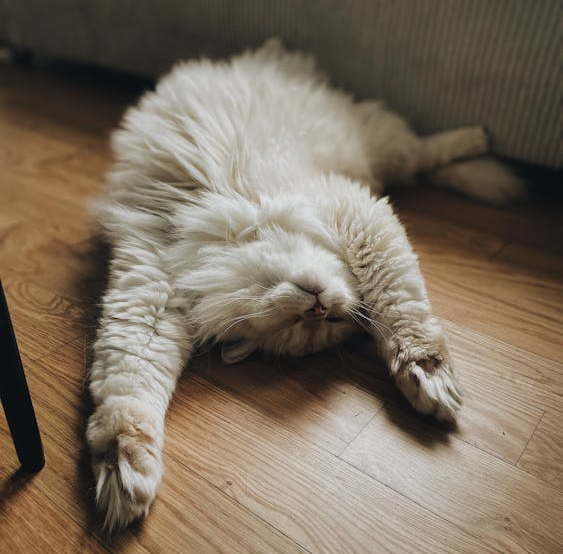
What Your Cat’s Sleeping Position Really Means
Cats don’t just sleep a lot – how they sleep can reveal important clues about their comfort, trust, and emotional state. Each sleeping position reflects a mix of instinct, temperature regulation, and how safe your cat feels in their environment.
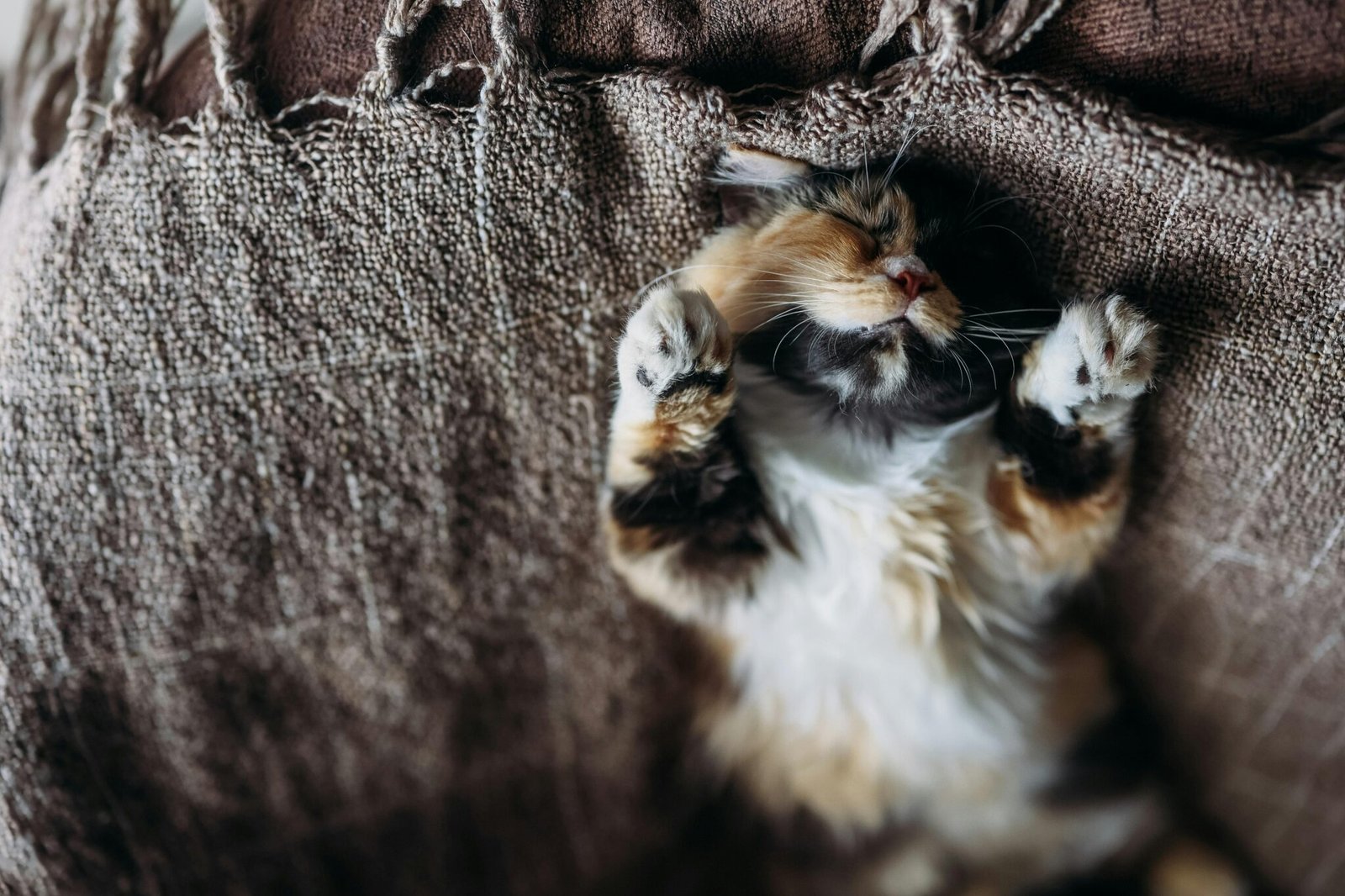
For example, a cat curled into a tight ball is conserving body heat and protecting vital organs – a common position for colder rooms or cautious sleepers. On the other hand, cats who sleep stretched out on their side or back are showing deep relaxation and confidence, as these positions leave the belly exposed and vulnerable.
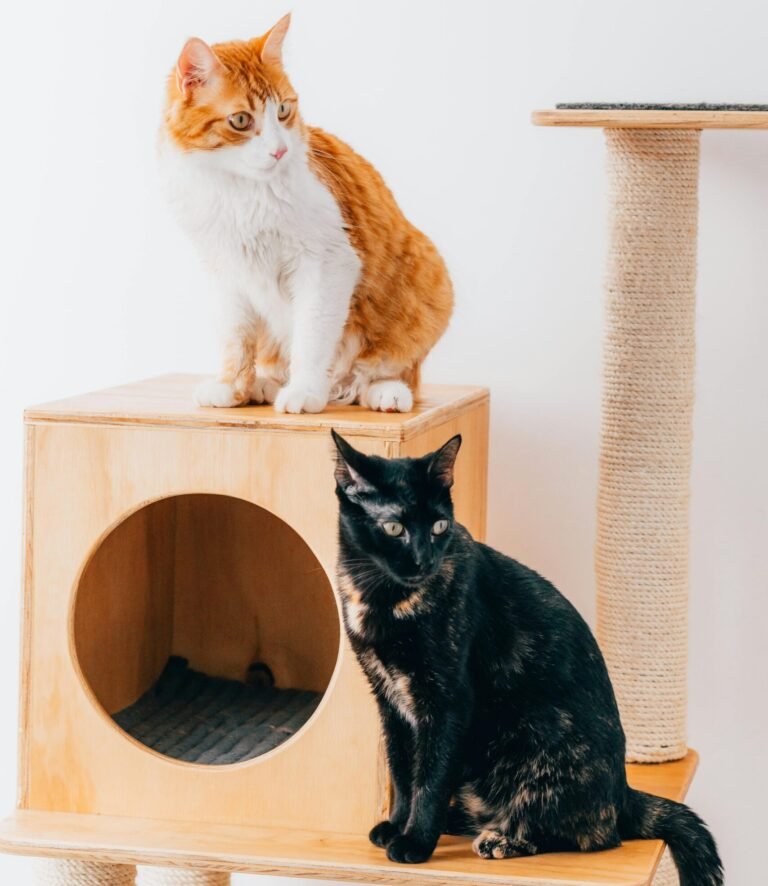
You may also notice your cat sleeping in a “loaf” position with paws tucked underneath, which often signals light rest and readiness to react, or choosing elevated spots like shelves and cat trees, which connect to natural instincts for observation and safety.
Understanding cat sleeping positions helps you better read your cat’s mood and overall well-being.
If you’d like a deeper breakdown of common cat sleep poses and what each one means, we’ve covered them in detail here:
Read the full guide:
Factors That Affect How Much Your Cat Sleeps
Although cats are famous for sleeping most of the day, the amount of rest they need isn’t random. Several factors influence how long and how deeply a cat sleeps, and understanding them helps you better interpret your cat’s behavior.
Age and Life Stage
A cat’s age plays a major role in sleep patterns. Kittens often sleep up to 20 hours a day because their bodies and brains are developing rapidly. Senior cats may also rest more, as aging joints, slower metabolism, and lower energy levels naturally increase the need for sleep. Adult cats usually fall somewhere in between, balancing periods of rest with bursts of activity.
Daily Activity and Mental Stimulation
Cats who are physically active and mentally engaged during the day tend to sleep more soundly. Interactive play, climbing, hunting-style games, and even window watching all contribute to healthy fatigue. On the other hand, boredom can lead to excessive sleeping that isn’t always restful – it’s often a sign of understimulation rather than true relaxation.
Environment and Sense of Safety
Where your cat sleeps matters just as much as how long they sleep. Cats rest more deeply when they feel safe. Quiet spaces, familiar scents, warm surfaces, and elevated sleeping spots all contribute to a sense of security. Changes in the household – new pets, guests, or rearranged furniture – can temporarily disrupt sleep patterns as cats reassess their environment.
Health and Physical Comfort
Sleep behavior can also reflect your cat’s physical condition. Pain, digestive discomfort, anxiety, or underlying health issues may cause restless sleep, frequent position changes, or sleeping in unusual places. While cats often hide discomfort well, noticeable changes in sleep habits can be one of the earliest signals that something isn’t quite right.
How Understanding Sleep Strengthens Your Bond
Paying attention to your cat’s sleep habits helps you move beyond surface-level care. When you notice where your cat sleeps, how their posture changes, or when their routine shifts, you begin to understand their emotional language.
Cats communicate subtly. Sleep is one of the clearest, most honest signals they offer. By respecting their need for rest, providing comfortable sleeping spaces, and recognizing changes early, you support both their physical health and emotional well-being.
What Your Cat’s Sleep Can Tell You About Their Well-Being
Your cat’s sleep patterns are more than just adorable moments – they’re a reflection of trust, comfort, and balance. A relaxed sleeping posture, consistent routines, and peaceful rest usually indicate a cat that feels secure and cared for.
By observing these quiet signals, you deepen your connection with your cat and become more attuned to their needs. Understanding sleep isn’t about controlling your cat’s routine – it’s about learning to listen when they’re at their most vulnerable and most honest.