
Cats spend a huge portion of their lives asleep, and the way they sleep can reveal a lot about how they feel – physically and emotionally. Some positions are perfectly normal and adorable, while others may quietly signal discomfort, stress, or even health issues.
In this guide, we’ll walk through the most common cat sleeping positions and what they typically mean. If you’re curious about why cats sleep so much in general – how many hours are normal, when excessive sleep becomes a concern, and how age or lifestyle plays a role – we’ve also prepared a separate in-depth article on cat sleep habits that you may find helpful.
For now, let’s take a closer look at the positions your cat chooses – and what they might be trying to tell you
Why Sleeping Positions Matter for Cats
Cats are both predators and prey by nature. Even in a cozy home, their instincts never fully switch off. When a cat chooses a sleeping position, they’re balancing comfort, safety, temperature, and awareness of their surroundings.
That’s why a sleeping posture can tell you:
- how secure your cat feels in their environment,
- whether they’re fully relaxed or lightly alert,
- and in some cases, whether something might be bothering them.
Each sleeping position reflects a mix of instinct, comfort, and trust. Let’s start with one of the most common – and most misunderstood – poses.
The Curled-Up Ball: Comfort with Caution
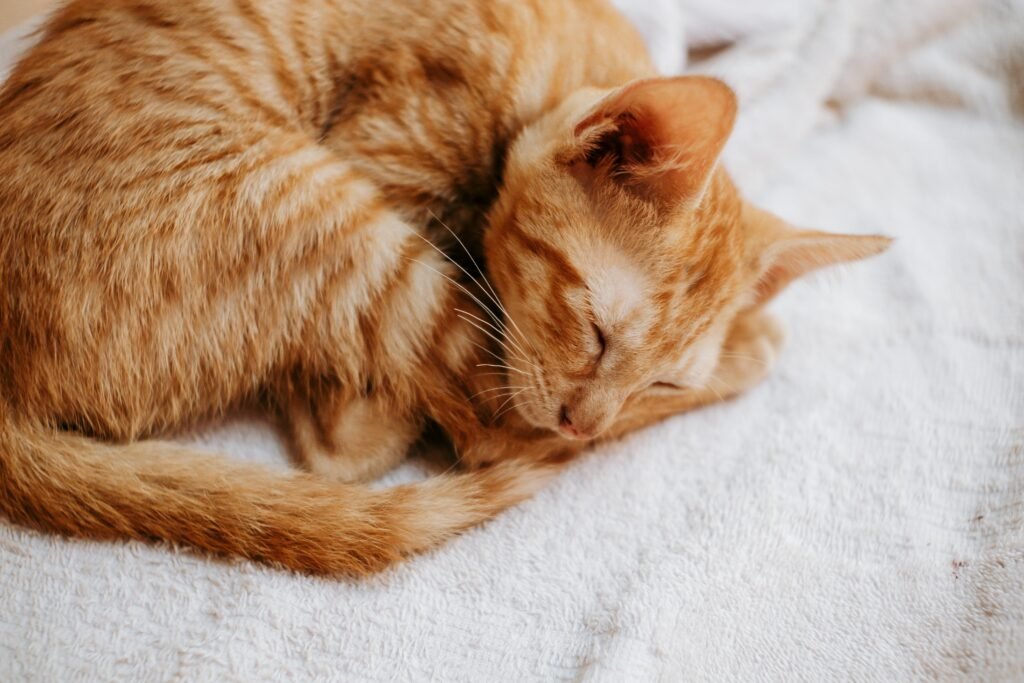
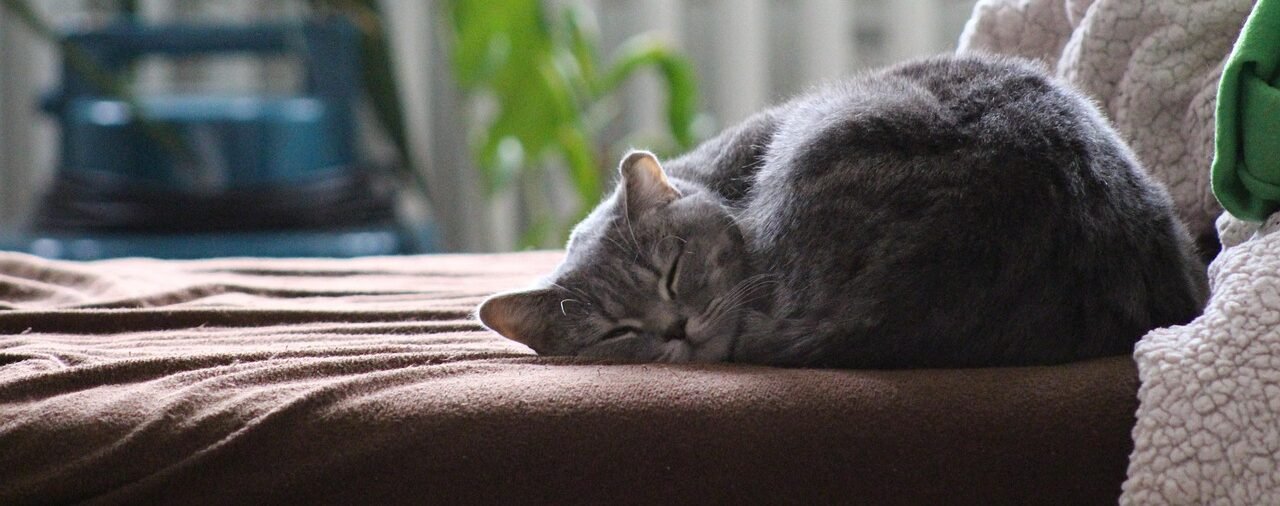
This is one of the most classic cat sleeping positions. The cat curls into a tight ball, tail wrapped around the body, head tucked in.
This position helps conserve body heat and protects vital organs. It’s common in cooler environments or during lighter sleep phases.
What it usually means:
Your cat feels comfortable, but still mildly alert. It’s a natural, instinctive posture – especially for cats who like to keep their guard up just a little.
The Belly-Up Pose: Ultimate Trust
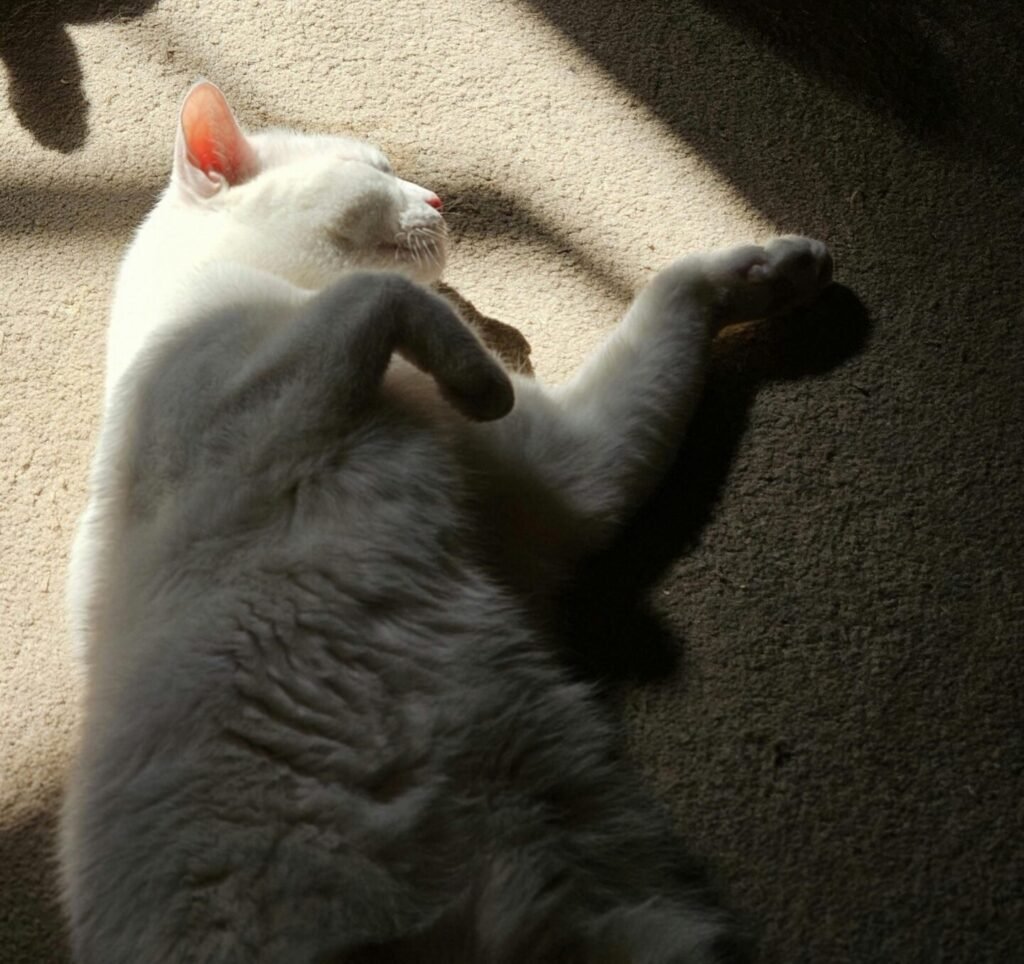
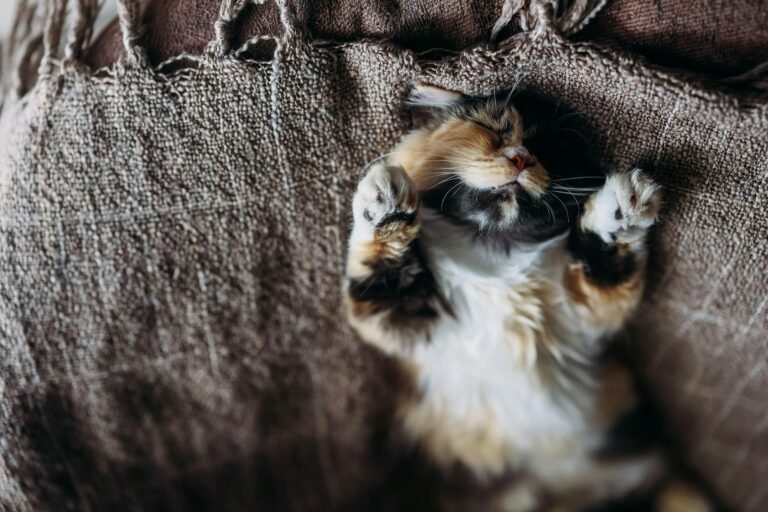
A cat lying on their back with their belly exposed often surprises owners, especially new ones. After all, the belly is the most vulnerable part of a cat’s body.
When a cat sleeps this way, it’s a powerful sign of trust.
What it usually means:
Your cat feels extremely safe and relaxed. They trust their environment – and you.
Just remember: belly exposure doesn’t always mean an invitation to touch. Many cats still prefer admiration from a distance.
The Loaf Position: Relaxed but Ready
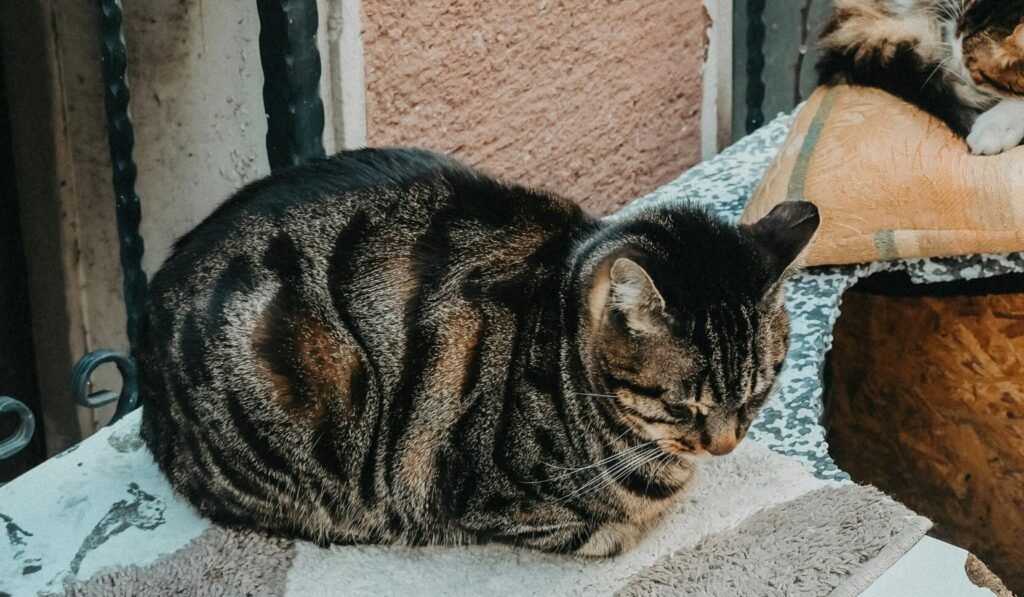
In the “cat loaf,” the cat tucks their paws neatly under their body, resembling a little bread loaf.
This position allows cats to relax while still being able to stand up quickly if needed.
What it usually means:
Your cat is calm, comfortable, and content – but not in deep sleep. It’s a peaceful resting posture often seen during daytime naps.
Side Sleeping: Deep Relaxation
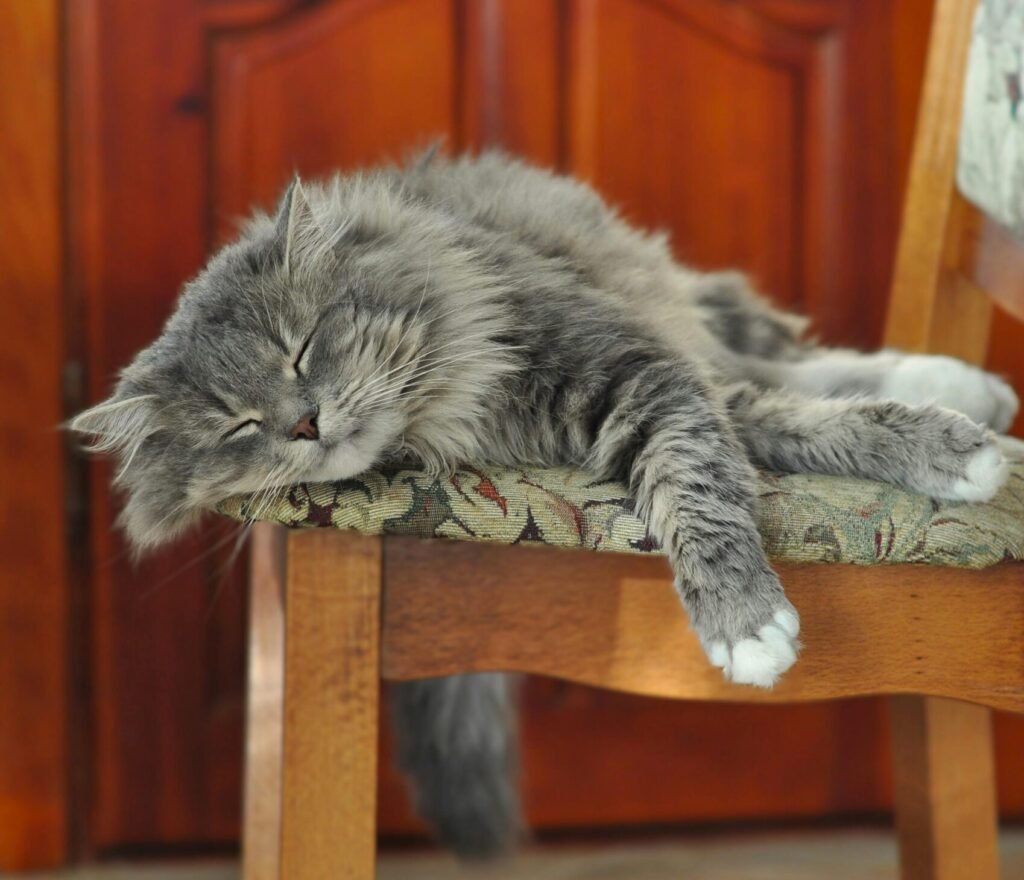
When a cat lies stretched out on their side, muscles loose and body open, they’re often in a deeper stage of sleep.
This position leaves the belly partially exposed and limits quick reactions – something cats only do when they feel safe.
What it usually means:
Your cat is relaxed, secure, and possibly enjoying one of their best naps of the day.
Face Covered or Paw Over Eyes: Sensory Shutdown
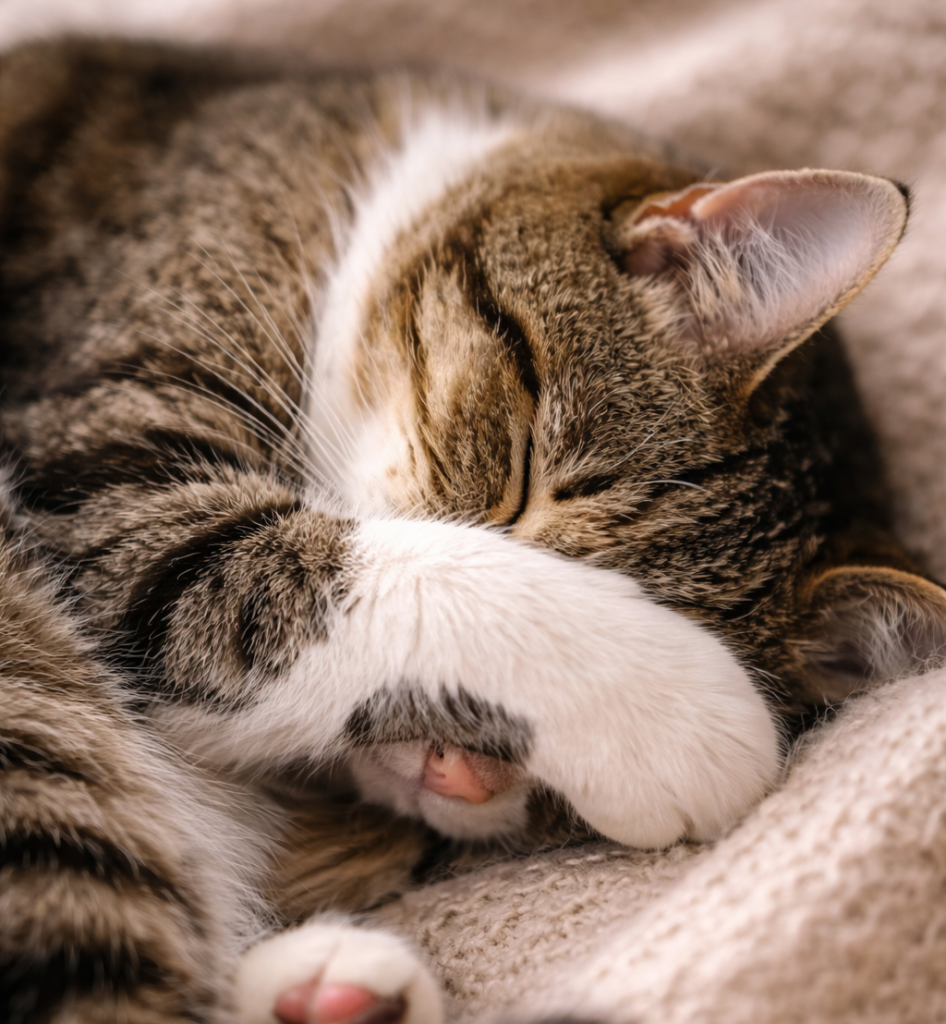
Some cats sleep with a paw over their eyes or face pressed into a blanket, pillow, or sofa.
This isn’t just adorable – it’s practical.
What it usually means:
Your cat is blocking out light, sound, or stimulation to get better rest. It often signals comfort and a desire for uninterrupted sleep.
The “Superman” Stretch: Comfort and Coolness
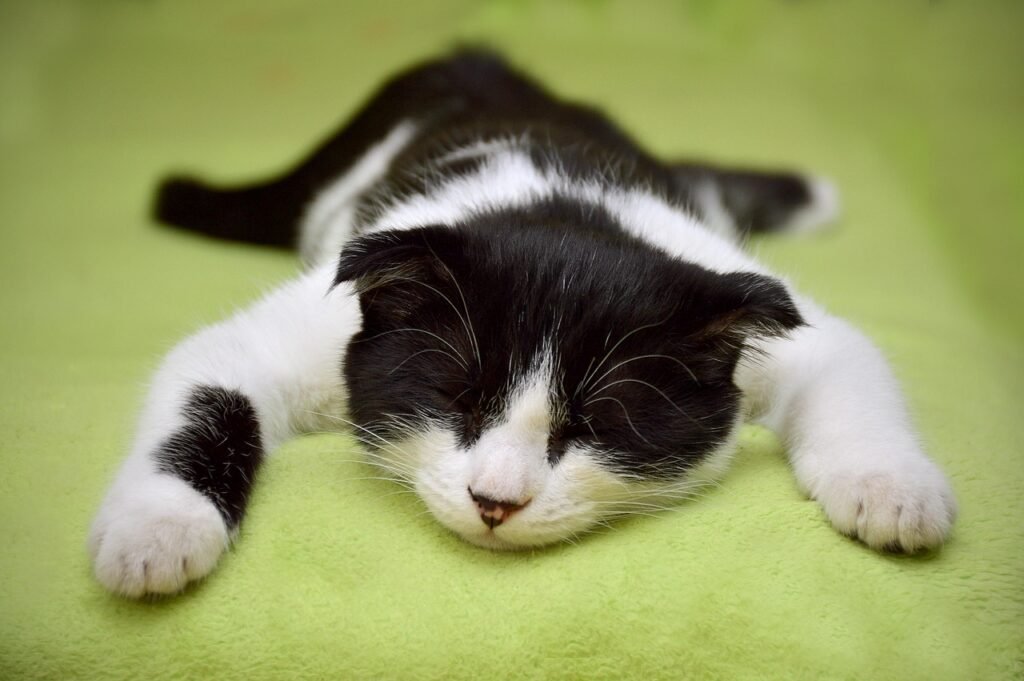
Cats sometimes sleep stretched out on their stomach with legs extended forward and back – almost like they’re flying.
This position helps regulate body temperature and relax the spine.
What it usually means:
Your cat is comfortable, relaxed, and possibly cooling off. It’s common after playtime or in warmer weather.
Hiding While Sleeping: Safety First
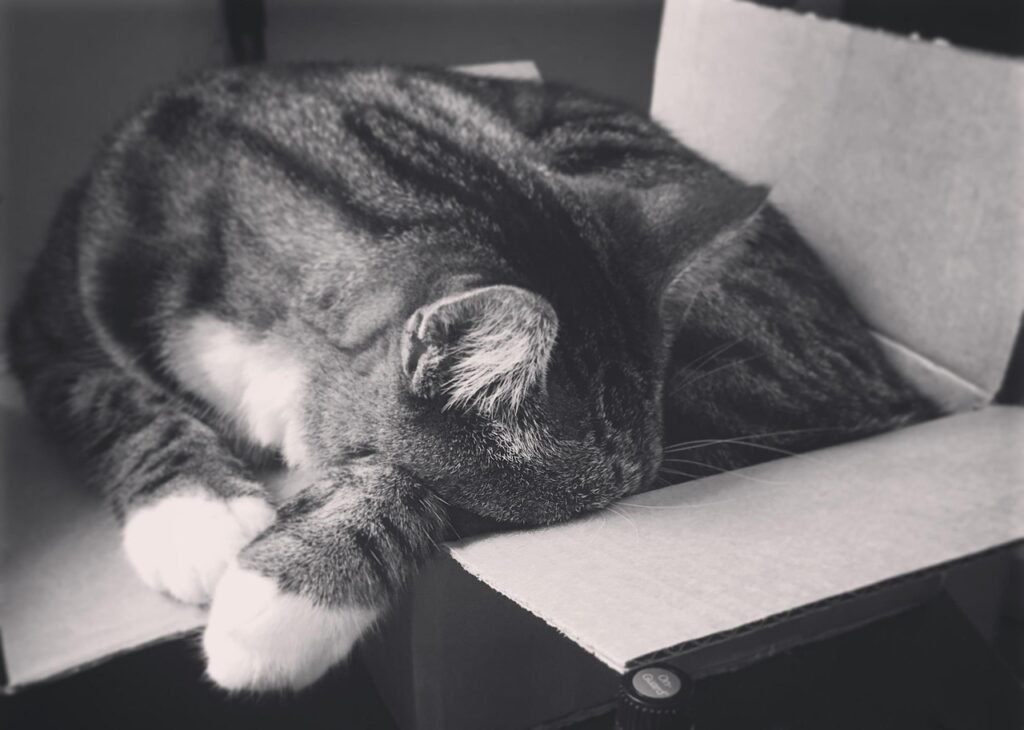
If your cat sleeps under furniture, inside boxes, or tucked into enclosed spaces, it’s not necessarily a sign of fear.
Cats naturally seek sheltered spots to feel protected.
What it usually means:
Your cat values privacy and security. This is especially common in multi-pet homes, new environments, or during stressful periods.
When a Sleeping Position Might Signal a Problem
Most sleeping positions are completely normal. However, sudden changes can sometimes be worth noticing.
You may want to pay attention if your cat:
- avoids positions they previously loved,
- sleeps excessively in tight or tense postures,
- hides more than usual,
- or seems restless even while resting.
Tightly Curled, Tense Posture (For Long Periods)
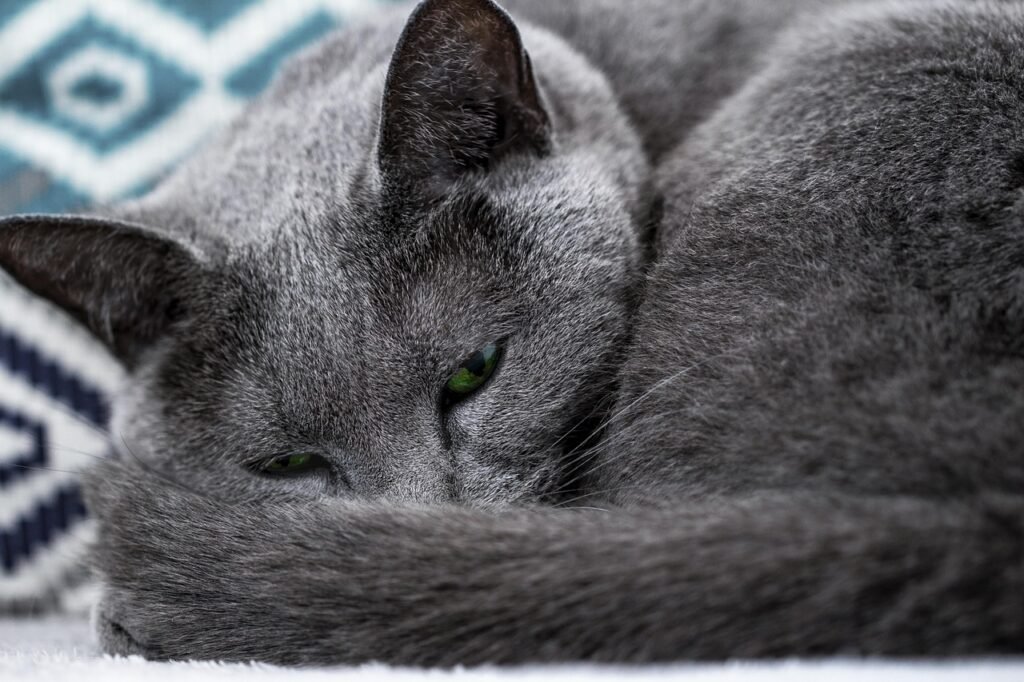
While curling up is normal, a consistently tight, tense ball, especially with stiff muscles and little movement, can sometimes indicate discomfort.
If your cat looks rigid rather than relaxed – and stays that way for hours – it may be their way of protecting a painful area.
Possible reasons include:
- abdominal discomfort,
- digestive issues,
- general pain or inflammation.
What matters most is change: if your cat suddenly starts sleeping this way more often than usual, it’s worth observing closely.
Head Pressed Down or Hidden While Awake-Asleep
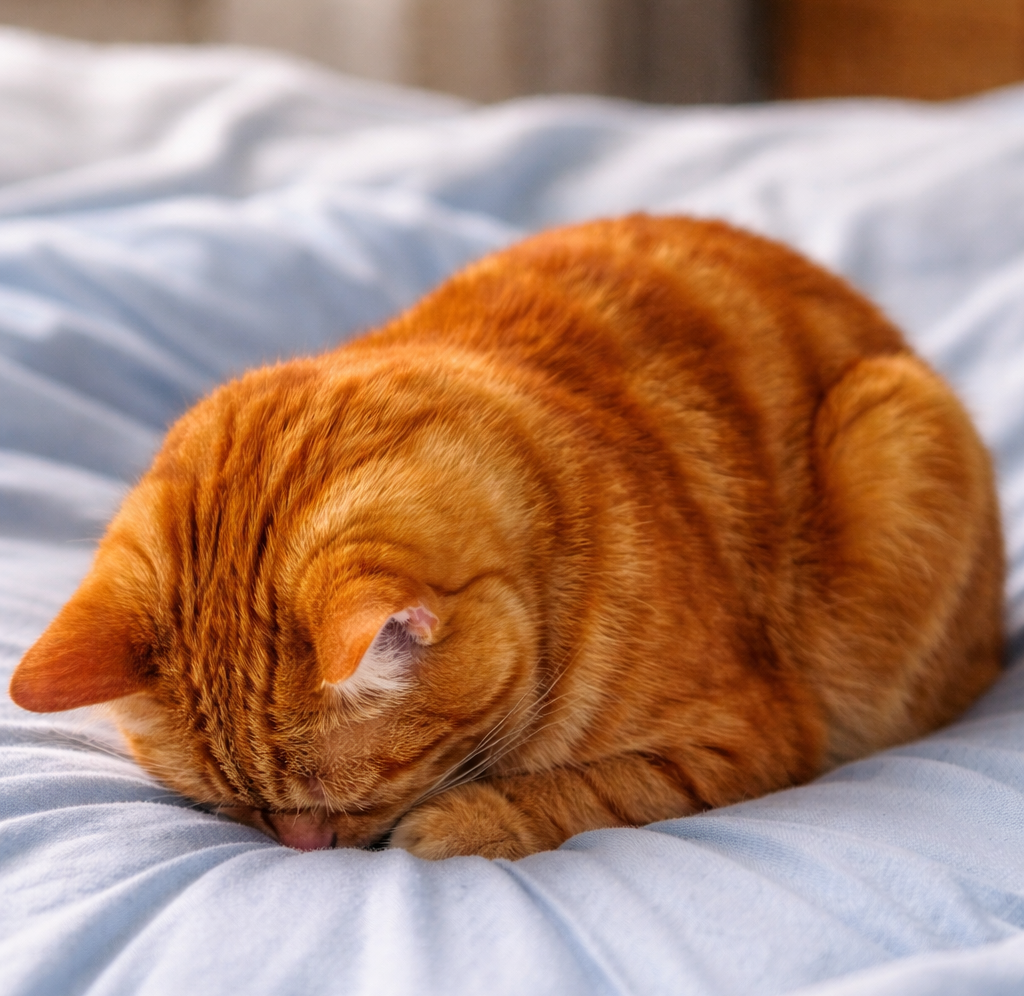
Some cats sleep with their head lowered or tucked unnaturally close to the chest, without fully relaxing.
Occasionally this is harmless, but if paired with lethargy, disorientation, or reduced appetite, it may signal discomfort or neurological stress.
This is especially important if the posture appears suddenly and persists.
Hiding Constantly While Sleeping
Cats enjoy cozy hiding spots, but persistent hiding combined with excessive sleep can sometimes signal stress, anxiety, or illness.
Pay attention if your cat:
- sleeps almost exclusively in hidden places,
- avoids social areas they previously enjoyed,
- becomes less responsive or playful.
This is especially common when cats feel unwell but try to mask it – a very feline instinct.
Restless Sleeping and Frequent Position Changes
Cats usually settle into comfortable positions fairly easily. If your cat appears unable to get comfortable – constantly changing positions, waking up, or shifting – it may be a sign of discomfort.
Restlessness during sleep can be linked to:
- pain,
- digestive upset,
- stress or anxiety,
- overheating or dehydration.
How to Tell Normal from Concerning
The key isn’t the position itself – it’s patterns and changes.
A sleeping posture may be worth checking if it comes with:
- reduced appetite,
- less grooming,
- withdrawal or irritability,
- limping or sensitivity to touch,
- noticeable behavior changes lasting more than a day or two.
When in doubt, trust your intuition. You know your cat’s “normal” better than anyone.
A Gentle Reminder
Cats are masters at hiding discomfort. Sometimes, the only visible clue is a subtle change in how they rest.
Not every unusual sleeping position is a problem – but paying attention helps you catch issues early, when they’re easiest to address.
Sleeping behavior should always be considered alongside other signs, such as appetite, energy levels, grooming habits, and mood.
Want to Understand Your Cat’s Signals Better?
Sleep is just one part of your cat’s emotional and physical language.
If you’re curious about your cat’s temperament, sensitivity, and behavioral style, explore our cat personality tests designed to help you understand what your cat is really communicating.
If something feels off, a veterinarian’s advice is always the safest next step.